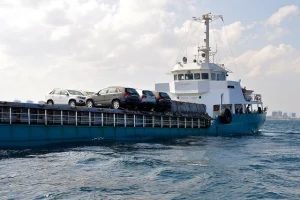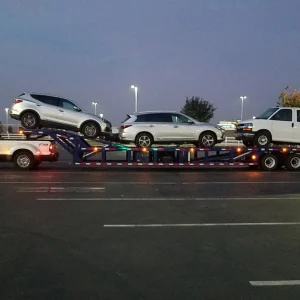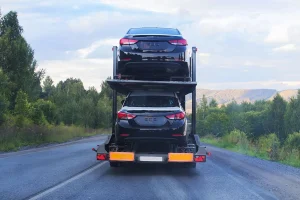

Door-to-door auto transport is designed to make vehicle shipping more convenient by arranging pickup and delivery as close as reasonably possible to your specified addresses. It can be useful for relocations, online vehicle purchases, and long-distance moves. DirectRoute Car Transport helps customers discuss location access, vehicle requirements, and scheduling before arranging transportation.
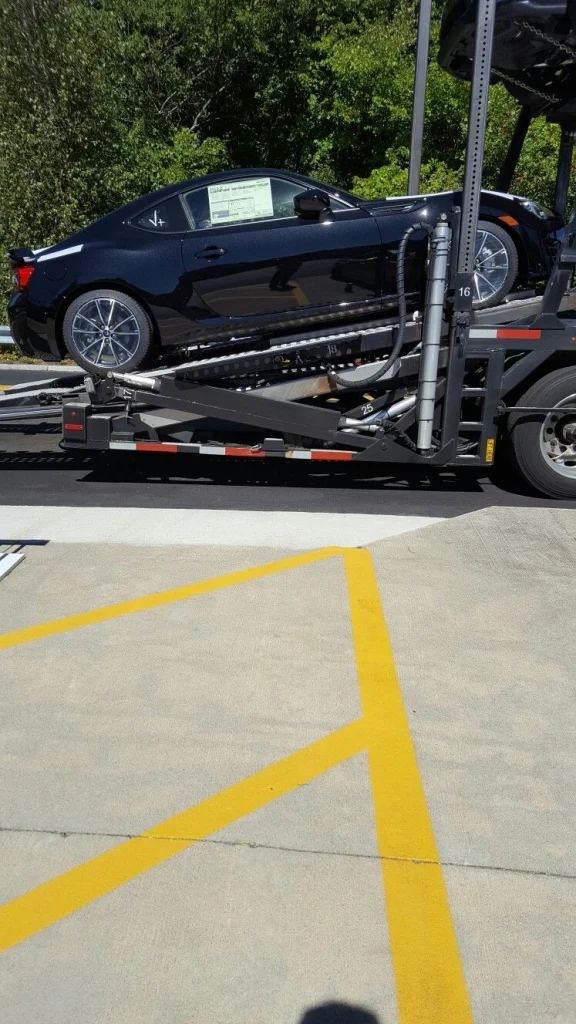
Arranging transportation for a vehicle can be challenging when the pickup and delivery locations are far apart. Driving the vehicle yourself may involve long hours on the road, fuel expenses, overnight stops, and additional planning.
Door-to-door auto transport offers an alternative by arranging vehicle collection and delivery near your requested addresses whenever safe and practical access permits. DirectRoute Car Transport helps customers explore vehicle shipping arrangements for a range of transportation needs, including moves involving Miami, Florida, and other destinations.
Whether you are relocating to another state, purchasing a car from a distant seller, or coordinating transportation for a family member, understanding how door-to-door service works can help you plan the process more effectively.
Door-to-door auto transport generally means that the carrier collects your vehicle near the designated pickup address and delivers it near the designated destination address.
It does not always mean the transport truck can enter your driveway or stop immediately outside your home. Vehicle carriers can be large, and their access may be restricted by narrow streets, low overhead structures, parking limitations, gated communities, construction, or local regulations.
If the requested address is unsuitable, the driver may arrange a nearby safe and accessible meeting point. Discussing these details early can reduce confusion when pickup or delivery is scheduled.
Moving for a new job, education, family commitments, or a lifestyle change often involves numerous logistical tasks. Vehicle transport can help you coordinate your car’s journey separately from your personal travel.
When a vehicle is purchased or sold across state lines, door-to-door transportation may simplify the handover process. Both parties should agree on the vehicle’s condition, availability, keys, and pickup arrangements.
Families arranging a move for a student or household member may prefer a transportation arrangement that minimizes the need for a long-distance drive.
Some people move between locations seasonally and prefer to arrange vehicle shipping rather than drive their car across a long route. Pickup dates and carrier availability should be confirmed before making related travel plans.
Businesses that need to move eligible vehicles between locations may also consider door-to-door arrangements, subject to scheduling, vehicle suitability, and access.
One of the primary benefits is convenience. Customers can arrange pickup and delivery near locations relevant to their move rather than independently transporting the vehicle to a distant terminal.
It can also simplify planning. By discussing pickup windows, access conditions, and communication arrangements in advance, customers can coordinate the vehicle shipment with other commitments.
Door-to-door service may be available with open or enclosed transport, depending on the carrier and route. The selected transportation method can affect the cost, equipment requirements, and available scheduling options.
Share your pickup and delivery addresses or ZIP codes, vehicle make and model, year, operating condition, and preferred dates. Mention modifications, oversized dimensions, or access restrictions.
The transportation provider assesses the requested route and available options. Review the quote carefully and ask about the total price, deposit, payment terms, estimated schedule, cancellation conditions, and the provider’s role in the shipment.
Make sure the pickup location is accessible and that someone can coordinate the handover. Remove personal belongings unless expressly permitted and photograph the vehicle’s condition before loading.
Stay available for updates from the relevant transportation contact. Pickup and delivery estimates can change due to weather, traffic, carrier schedules, and other operational factors.
When the vehicle arrives, compare its condition with the original inspection report. Document any newly observed damage and follow the applicable reporting and claims procedures.
Prices can depend on the distance, vehicle size, route demand, time of year, transport method, vehicle condition, pickup and delivery access, and scheduling requirements.
A vehicle that cannot be driven may need special loading equipment. A narrow street or restricted neighborhood may require an alternative meeting point or additional coordination.
Providing accurate details allows the provider to assess the shipment and explain relevant pricing conditions.
Before the scheduled collection, confirm the driver’s communication arrangements, location access, keys, vehicle condition, and expected pickup window. Keep your phone available and communicate any changes as soon as possible.
At delivery, allow enough time to inspect the vehicle and complete the required paperwork. Retain the shipping agreement, inspection reports, and photographs.
DirectRoute Car Transport helps customers explore vehicle shipping services based on their individual routes and requirements. Door-to-door arrangements may be a useful option when convenience and location-based pickup and delivery are priorities.
Call (786) 244-3131 to discuss your pickup and delivery locations, vehicle details, and preferred schedule. Request a quote and confirm access arrangements, service availability, and booking terms before proceeding.
Find answers to some common questions about car shipping and vehicle transportation.
Car transport costs depend on the distance, vehicle size, route demand, time of year, carrier type, vehicle condition, and pickup and delivery locations. Enclosed shipping may cost more than open transport. Contact DirectRoute Car Transport at (786) 244-3131 with your route and vehicle details to request a quote.
Open car transport carries vehicles on an exposed carrier and is commonly used for everyday cars. Enclosed car transport carries vehicles inside a covered trailer, reducing exposure to weather and road debris. The right option depends on your vehicle, protection preferences, budget, and availability.
Transit time depends on the route distance, pickup scheduling, carrier routing, weather, traffic, and other operating conditions. Your transportation provider should give you an estimated timeframe for your specific shipment. Delivery dates should be treated as estimates unless a written agreement provides a specific guarantee.
Door-to-door transportation can generally arrange pickup and delivery near your requested addresses. However, large carriers may be unable to access narrow streets, restricted communities, or locations with parking limitations. A nearby safe and accessible meeting point may be necessary.
Remove personal belongings unless their transportation is expressly permitted, photograph the vehicle's condition, disclose mechanical issues, and follow the carrier's preparation instructions. Review the vehicle inspection report at pickup and delivery, and keep copies of your shipping documents.