
State-to-state auto transport helps customers move vehicles between different states without having to drive the entire distance themselves. Whether you are relocating, purchasing a vehicle, or coordinating a long-distance move, DirectRoute Car Transport helps you explore vehicle shipping options based on your route, vehicle type, and preferred schedule.
Moving a vehicle across state lines can involve considerable time, travel expenses, and planning. Whether you are relocating for work, moving closer to family, purchasing a vehicle from another state, or arranging transportation for a seasonal move, state-to-state auto transport offers an alternative to driving the entire distance yourself.
DirectRoute Car Transport helps customers explore vehicle shipping arrangements for transportation between Florida and other U.S. states, subject to service availability, carrier arrangements, and the applicable agreement.
With the right preparation and clear communication, you can make informed decisions about your vehicle’s route, transportation method, and expected delivery schedule.
State-to-state auto transport is the transportation of a vehicle from a pickup location in one state to a destination in another state. The service may be arranged using an open carrier or an enclosed trailer, depending on the vehicle and the customer’s requirements.
For example, a customer relocating from Miami, Florida, to another state may choose to arrange vehicle transportation separately from their personal travel. A buyer purchasing a car from an out-of-state seller may also need a shipping arrangement to move the vehicle to its new location.
The details depend on the origin, destination, vehicle condition, carrier availability, pickup accessibility, and requested schedule.
A long-distance move often requires coordinating housing, travel, belongings, and other arrangements. Shipping a vehicle can help reduce the need for a separate cross-country drive.
Students attending college or university outside their home state may need their vehicle at the new location. Advance planning helps coordinate pickup and delivery with the move-in schedule.
Buying a vehicle from a seller in another state can offer additional choices, but getting the vehicle home requires planning. Auto transport may be an option when collecting the vehicle personally is impractical.
People who spend part of the year in different states may prefer to arrange vehicle shipping instead of undertaking a lengthy drive.
Eligible vehicles may need transportation between business locations, storage facilities, or other destinations. Requirements depend on the vehicle, route, and transportation agreement.
Two common options for interstate shipping are open and enclosed car transport.
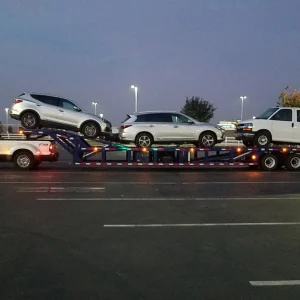
Open car transport carries vehicles on an open carrier. It is commonly used for everyday vehicles and may be an economical option for many routes.
Enclosed car transport carries vehicles inside a covered trailer, reducing exposure to outdoor weather and road debris. It may be suitable for classic, collectible, luxury, or specialty vehicles.
Your choice should consider the vehicle’s value, condition, dimensions, desired protection, budget, and carrier availability. Customers should also confirm whether special equipment is necessary for modified or inoperable vehicles.
Share the pickup and delivery ZIP codes or addresses, vehicle make and model, year, operating condition, and preferred shipping dates.
Accurate information is important because the route and vehicle characteristics can influence the quote and the equipment needed.
The transportation provider evaluates the requested shipment and discusses available options. Ask whether the company will transport the vehicle directly or arrange transportation through another provider.
Review the written price, payment terms, cancellation policy, estimated schedule, and applicable insurance or cargo coverage information before confirming a booking.
Remove personal belongings unless their transportation is expressly permitted. Photograph the vehicle, document existing damage, and follow the preparation instructions provided for the shipment.
Disclose mechanical issues, modifications, low ground clearance, and other conditions that may affect loading or transportation.
Confirm the pickup window and keep your contact information available. Interstate delivery schedules can be affected by weather, traffic, road closures, carrier routing, and other operating conditions.
Treat estimated dates as estimates unless a specific guarantee is included in the written agreement.
At delivery, examine the vehicle and compare its condition with the pickup inspection report. Record newly observed damage on the relevant documents and follow the applicable claims procedure.
Keep your agreement, photographs, inspection reports, and communications for your records.
The cost of state-to-state vehicle shipping depends on several factors, including:
Longer distances do not always result in a simple proportional increase in price. Route demand, carrier capacity, and other operating factors may also affect the quote.
For the most useful estimate, provide accurate shipment details and ask for the terms and conditions in writing.
Booking discussions in advance can give you more time to compare options, prepare your vehicle, and coordinate delivery with your move. It may also help identify access issues or special vehicle requirements before pickup.
Avoid making nonrefundable travel or accommodation arrangements based on an unconfirmed vehicle delivery date.
DirectRoute Car Transport helps customers explore interstate vehicle shipping options according to their individual requirements. Whether you are moving from Miami or arranging transportation to Florida, the first step is to discuss your route, vehicle, and preferred dates.
Call (786) 244-3131 to request a quote and review the available transportation options. Confirm the provider’s role, agreed price, estimated schedule, coverage arrangements, and cancellation terms before booking.
Find answers to some common questions about car shipping and vehicle transportation.
Car transport costs depend on the distance, vehicle size, route demand, time of year, carrier type, vehicle condition, and pickup and delivery locations. Enclosed shipping may cost more than open transport. Contact DirectRoute Car Transport at (786) 244-3131 with your route and vehicle details to request a quote.
Open car transport carries vehicles on an exposed carrier and is commonly used for everyday cars. Enclosed car transport carries vehicles inside a covered trailer, reducing exposure to weather and road debris. The right option depends on your vehicle, protection preferences, budget, and availability.
Transit time depends on the route distance, pickup scheduling, carrier routing, weather, traffic, and other operating conditions. Your transportation provider should give you an estimated timeframe for your specific shipment. Delivery dates should be treated as estimates unless a written agreement provides a specific guarantee.
Door-to-door transportation can generally arrange pickup and delivery near your requested addresses. However, large carriers may be unable to access narrow streets, restricted communities, or locations with parking limitations. A nearby safe and accessible meeting point may be necessary.
Remove personal belongings unless their transportation is expressly permitted, photograph the vehicle's condition, disclose mechanical issues, and follow the carrier's preparation instructions. Review the vehicle inspection report at pickup and delivery, and keep copies of your shipping documents.