
Open vs. Enclosed Car Transport: Which Should You Choose?
When arranging vehicle shipping, one of the first decisions is whether to choose open or enclosed car transport. Both options can move vehicles between locations, but they differ in how the vehicle is carried, the level of exposure to the elements, and the overall transportation cost.
DirectRoute Car Transport offers both options for customers who need vehicle shipping from Miami, Florida, and other locations, subject to route and carrier availability.
What Is Open Car Transport?
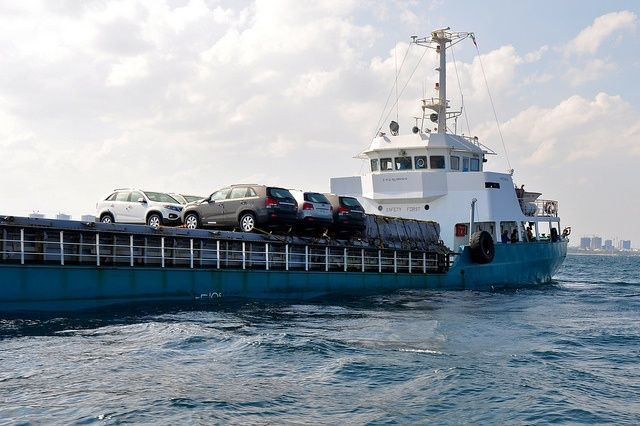
Open car transport uses a carrier that does not fully enclose the vehicles. It is widely used for everyday cars, sedans, SUVs, and many other standard vehicles.
One of its main advantages is availability. Open carriers are commonly used in vehicle transportation, so customers may find more scheduling options on certain routes.
Open transport is also generally less expensive than enclosed shipping, although actual prices depend on distance, vehicle dimensions, route demand, season, and other factors.
Because the vehicle is exposed to outdoor conditions, it may encounter rain, dust, and ordinary road debris during transit. Vehicles are transported using appropriate loading and securing procedures, but open transport does not eliminate all exposure risks.
What Is Enclosed Car Transport?
Enclosed car transport carries vehicles inside a covered trailer. This reduces exposure to weather and road debris compared with an open carrier.
It can be an appropriate option for classic automobiles, luxury cars, collectible vehicles, exotic models, and vehicles with special protection requirements.
Enclosed shipping often costs more because enclosed equipment may have different operating costs, capacity limitations, and availability. Certain specialty vehicles may also require particular loading equipment or handling arrangements.
Before booking, confirm the carrier’s equipment, vehicle compatibility, pickup arrangements, and the insurance or cargo coverage applicable to the shipment.
Key Differences Between Open and Enclosed Transport
Vehicle exposure: Open transport leaves the vehicle exposed to outdoor conditions. Enclosed transport provides a covered environment.
Cost: Open transport is generally the more economical choice. Enclosed transport often costs more, but quotes vary by route and vehicle.
Vehicle suitability: Open carriers work well for many standard vehicles. Enclosed transport may be preferable for valuable, collectible, or specialty automobiles.
Availability: Open carriers may be easier to find on some routes. Enclosed carrier availability can be more limited, depending on location and schedule.
Protection: Enclosed transport reduces exposure to weather and road debris, but no transportation method guarantees that damage or delays cannot occur.
Which Option Is Right for Your Vehicle?
If you are shipping a daily driver, family sedan, or standard SUV and want to manage your budget, open car transport may be a practical choice.
If you own a classic car, a high-value collectible, or a specialty vehicle with specific care requirements, enclosed shipping may offer greater peace of mind.
Consider the vehicle’s value, condition, ground clearance, modifications, desired pickup dates, and budget. It is also important to understand the carrier’s responsibility, insurance arrangements, and claim procedures before making a decision.
Get an Auto Transport Quote
The right choice depends on your vehicle and transportation priorities. DirectRoute Car Transport can help you discuss open and enclosed shipping options, subject to available services and routes.
Call (786) 244-3131 to request a quote. Provide accurate vehicle and route details so your transportation requirements can be evaluated clearly before booking.